- HOME
- Contents View
-
-
-
A Joyful Day in Daegu! Seomun Market Eats & Day Trip Hot Spots
-
10/02/2025
-
572
0
0
-
-
Seomun_Market
-
-
In the late Joseon era, three major markets drew nationwide attention, namely Pyeongyang Market, Ganggyeong Market, and Seomun Market in Daegu. While the others faded over time, Seomun Market remains as vibrant as ever. Today it’s a food enthusiasts’ paradise, filled with distinctive local flavors. Thanks to the KTX, you can reach Seomun Market in just a couple of hours—making it an ideal destination for a day trip.
Recommended Spots
Seomun Market, Daegu Gyesan Cathedral, Cheongna Hill, Korean Medicine Experience Town, Spark LandSeomun Market, a Food Lover’s Paradise
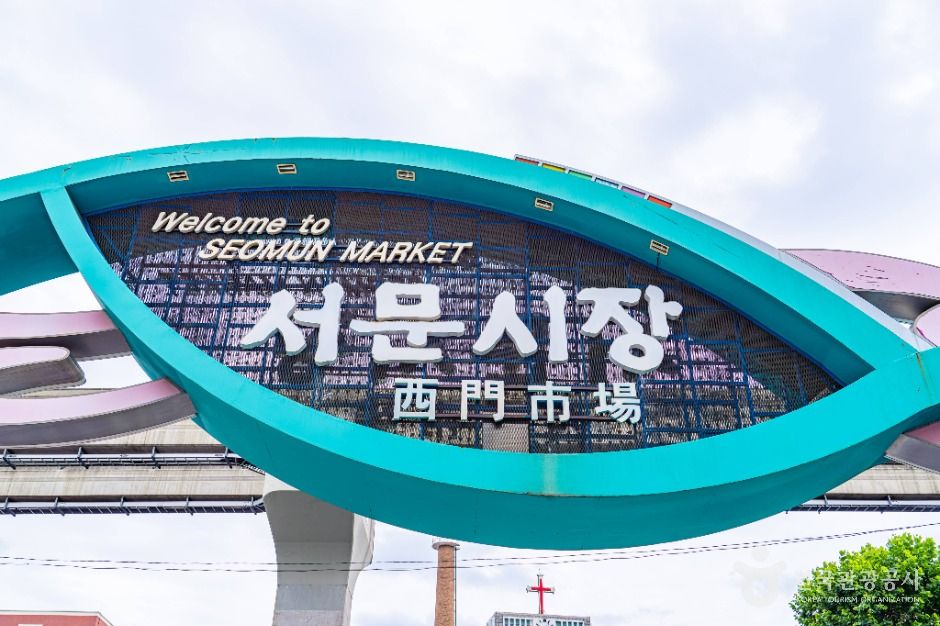 Entrance to Seomun Market
Seomun Market is home to more than 4,000 shops, making it one of the largest traditional markets in Korea. Its labyrinthine alleys bustle with energy, lined with fabric, Hanboks, tableware, and an array of handmade goods that lure every visitor’s attention. Yet what truly sets the market apart is its food. With fresh ingredients sourced locally, the food options here are bursting with flavor and authenticity.
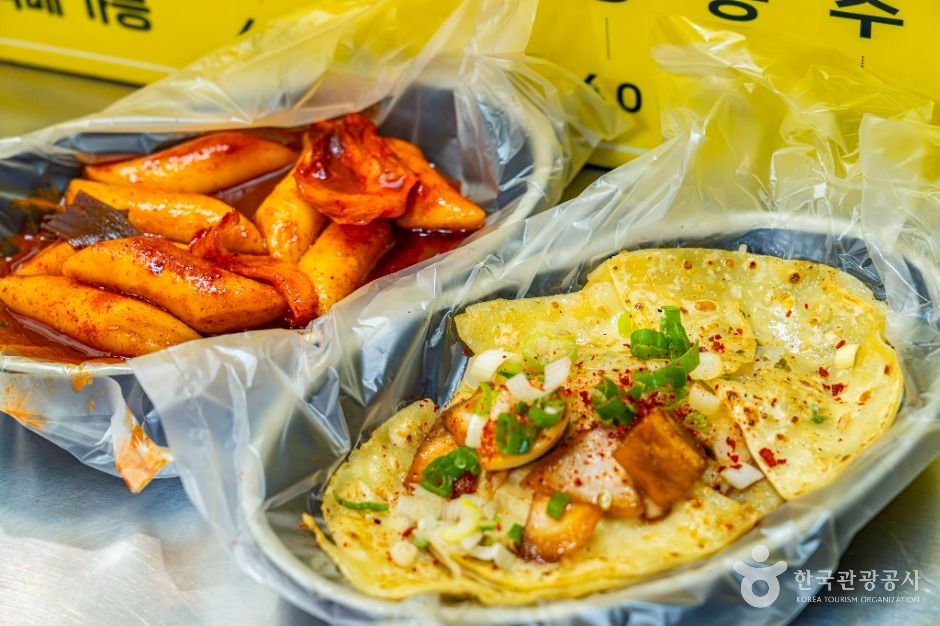 Flat dumplings, the perfect match for Tteokbokki
The first food option that comes to mind is Daegu’s famous flat dumplings. These thin-skinned dumplings are lightly filled with glass noodles and chives, then grilled on a sizzling, oiled iron plate. The filling may be simple, but the crisp bite and savory flavor make them an irresistible local favorite.
Flat dumplings are typically served with a dipping sauce, but many locals prefer to have them with Tteokbokki, allowing them to soak up the spicy, flavorful broth. The sweet-and-spicy rice cakes deliciously complement the dumplings’ light, crispy texture.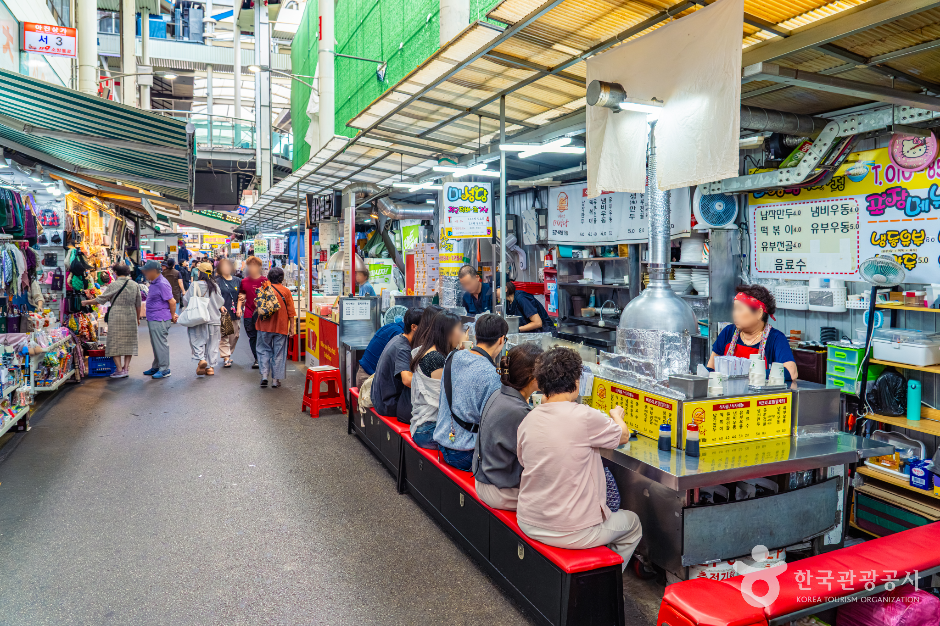 Noodle Alley at Seomun Market
After starting off with flat dumplings, it’s time for something heartier. Noodle stalls are dispersed around the market, and the sight of steam rising from a pot of broth is enough to make anyone pause for a taste.
One of the most popular choices here is Kaljebi, a dish that combines hand-torn dough pieces (Sujebi) with knife-cut noodles (Kalguksu). Served in a light anchovy broth, it’s both comforting and chewy, with a homemade taste. Another signature of Seomun Market’s Noodle Alley is the bowl of fresh green chili peppers placed on every table. Crisp and refreshing, they’re the perfect side dish to go with your meal.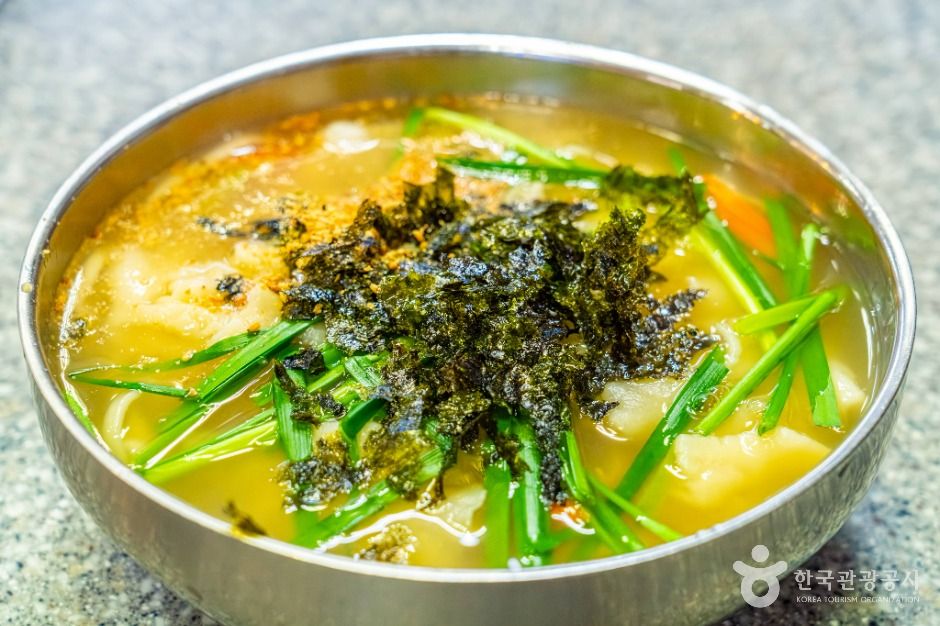 Kaljebi (noodles with hand-torn dough pieces)
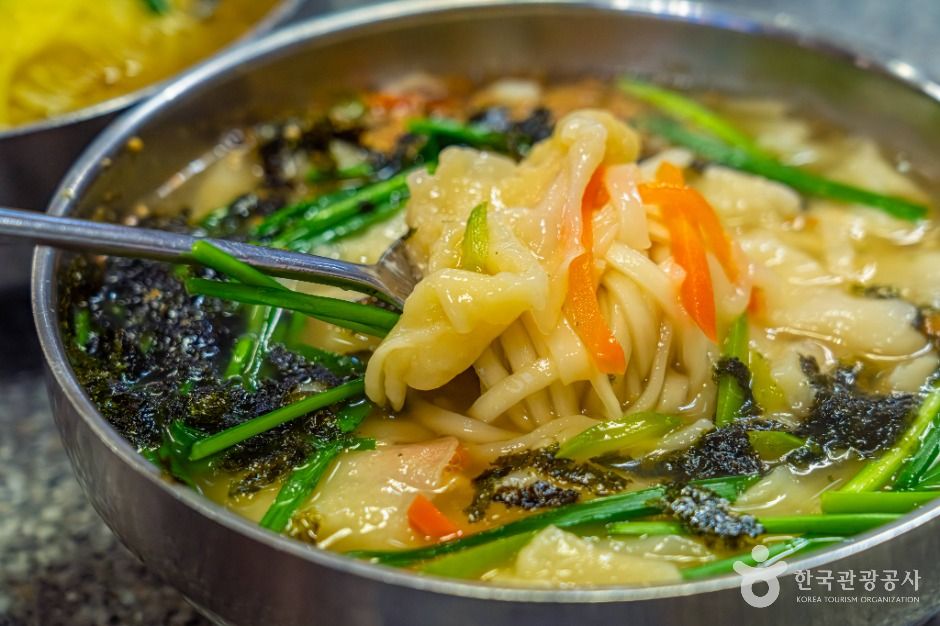 Kaljebi
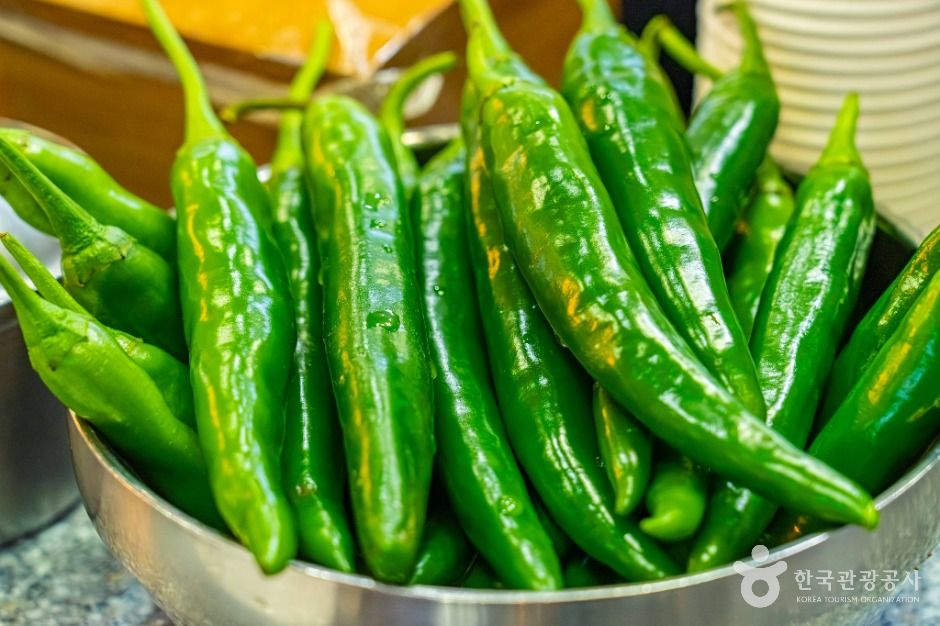 Fresh green chili peppers served as a side dish
It’s a little surprising to find a snack alley—a more common sight near a school zone—tucked inside Daegu’s biggest traditional market. People often link it to the city’s history and culture, though no one really knows for sure. What does make sense, though, is that in a market this large, quick and simple delights naturally became a go-to staple for busy vendors.
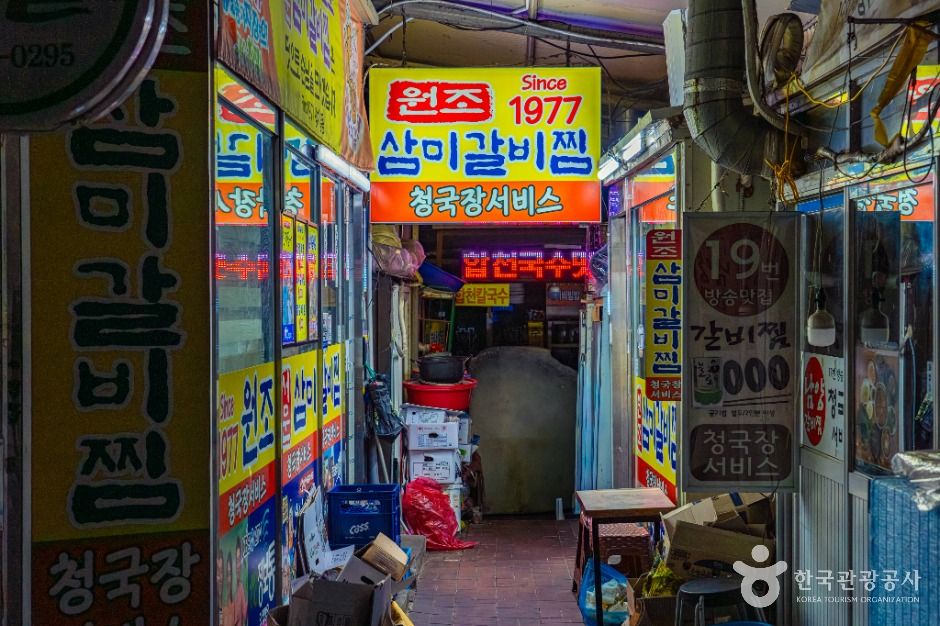 A Jjimgalbi (steamed short rib) restaurant in Seomun Market
When the craving for Daegu’s fiery flavors hits, nothing satisfies like Jjimgalbi. Instead of soy sauce, the ribs are slow-braised with loads of chili powder and garlic, turning out tender and spice-packed. The dish is so popular that it even has its own alley in downtown Daegu, outside the market.
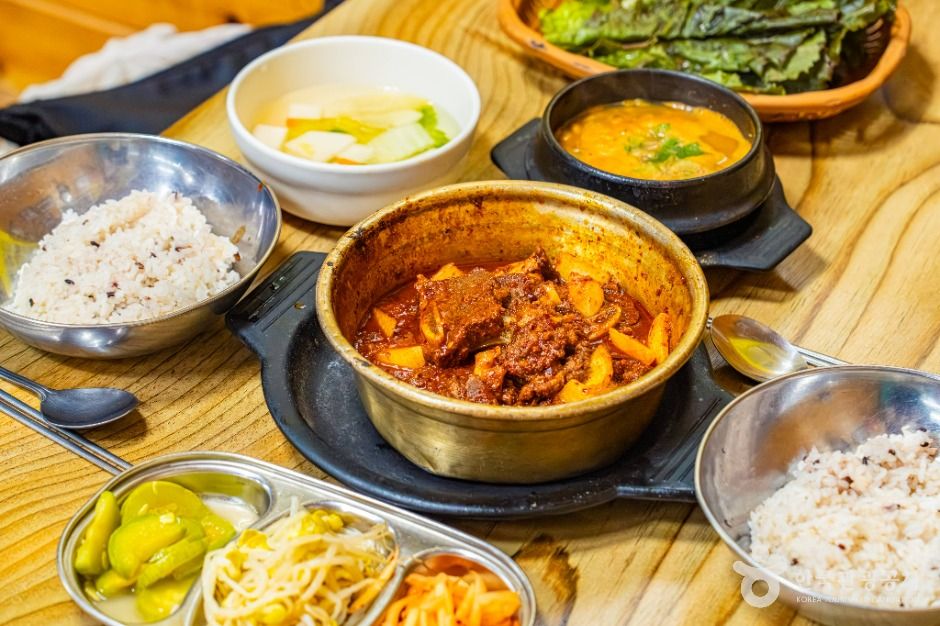 Daegu-style spicy Jjimgalbi
Pick beef or pork, and the Jjimgalbi dish arrives in a classic aluminum pot, topped with a vivid red sauce. It looks fiery—like something spicier than Buldak ramen (spicy hot stir-fried noodles)—but there’s no need to fret, since you can choose your heat level from the start. And the best part? Finishing with fried rice in the leftover sauce, soaking up every bit of flavor.
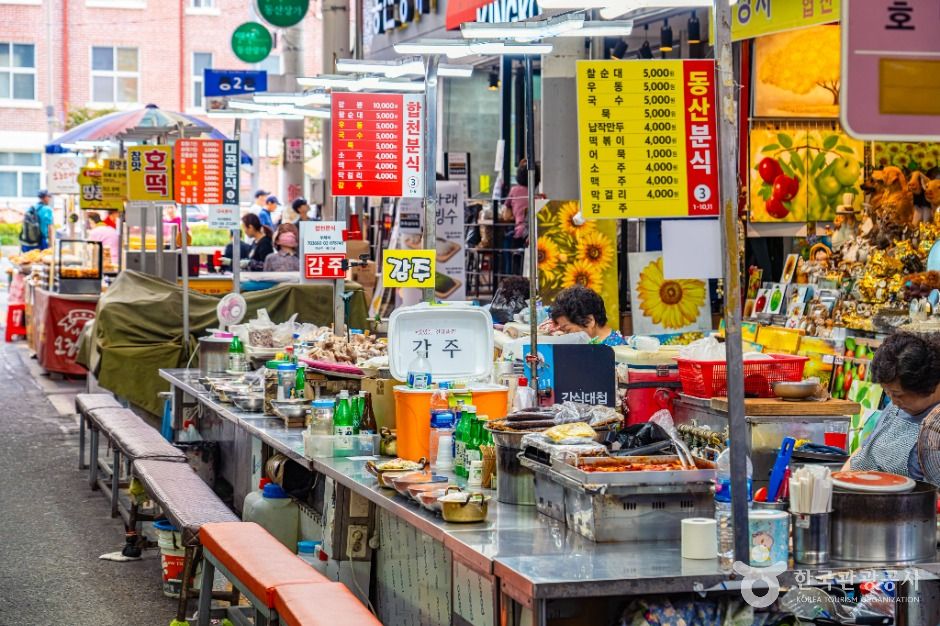 Street stalls selling all kinds of snacks
 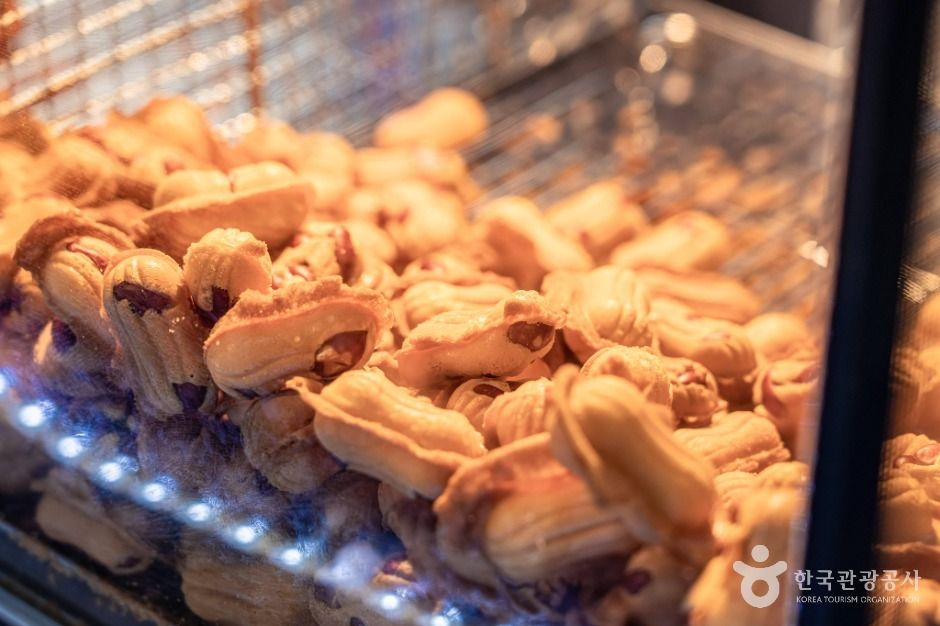 Peanut bread
Even when you’re full, it’s impossible to walk away—with so many snacks to still discover at Seomun Market. Local favorites include chewy seed Hotteok and freshly made fruit juice. You’ll also come across peanut bread, baked in a similar way to walnut cakes but with whole peanuts inside. The golden brown portions are bite-sized and flavorful for easy eating.
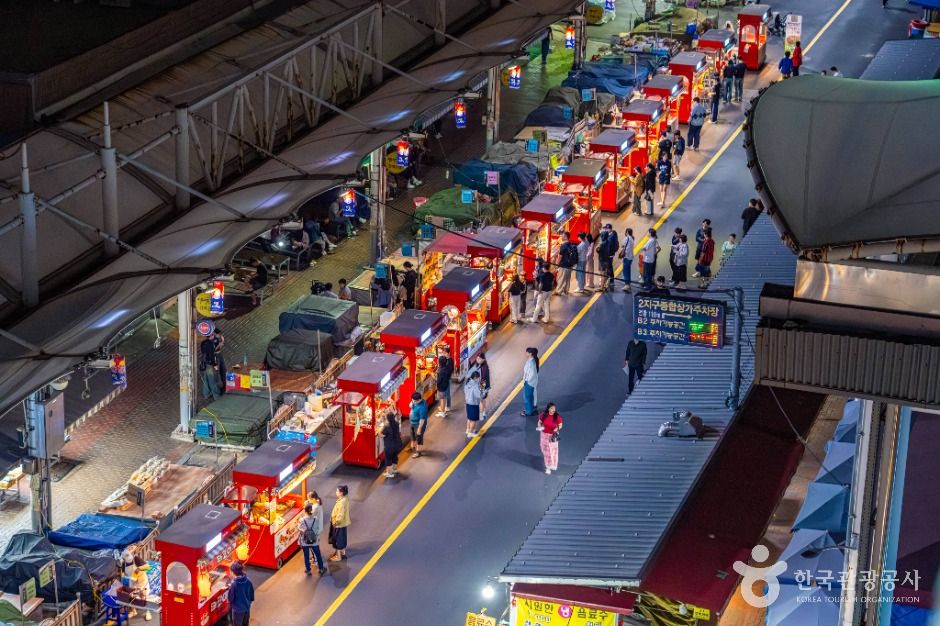 Seomun Night Market
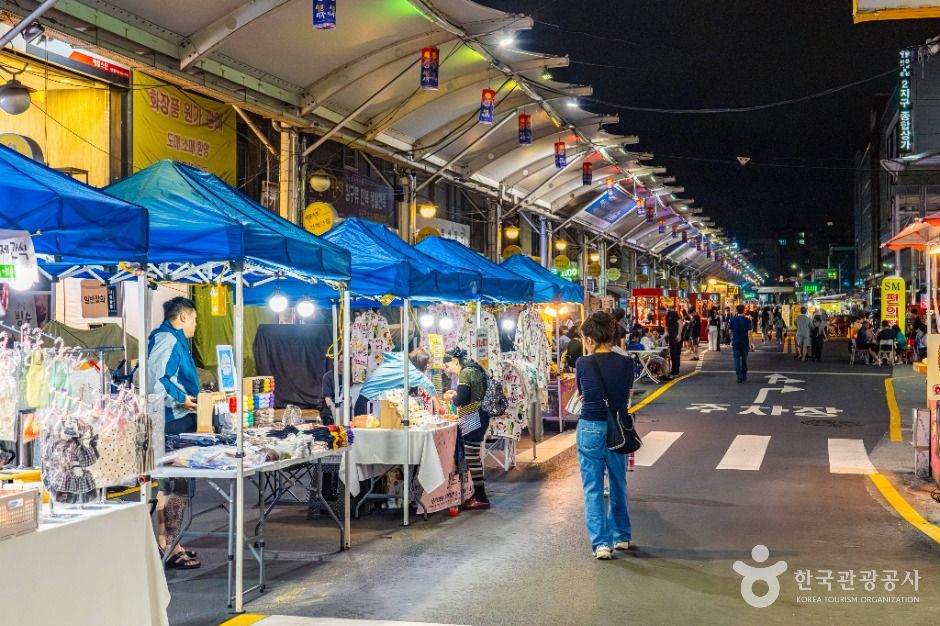 Seomun Night Market
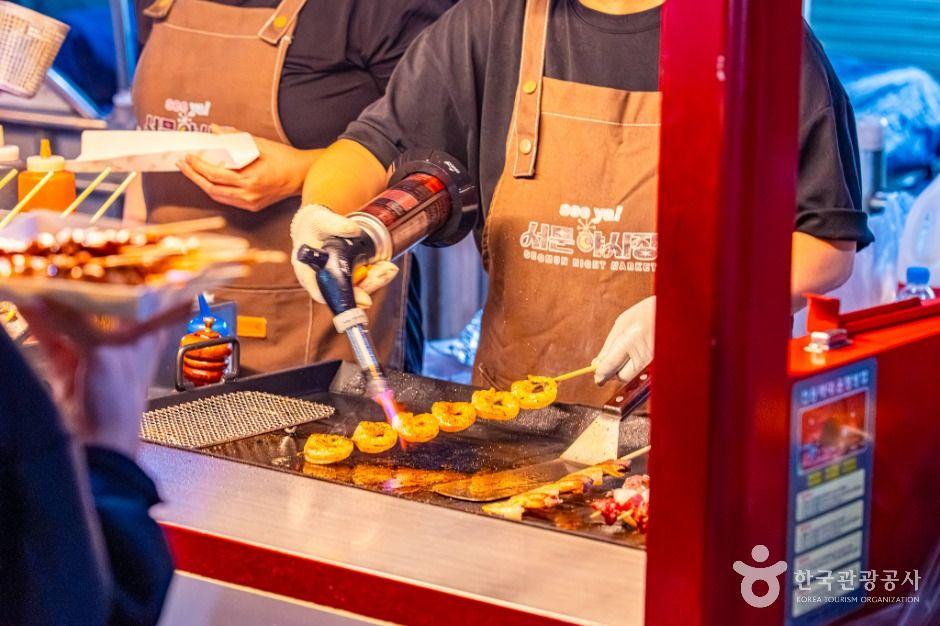 Unique eats
On Friday through Sunday evenings, Seomun Market turns into a lively night market. As daylight fades, the center of the market bustles with food stalls, with the street closed off to traffic. Here you’ll find everything from cube steak and Pho to global fusion bites. From then on, it’s all about picking what to share with your friends—and lining up before the queues get too long.
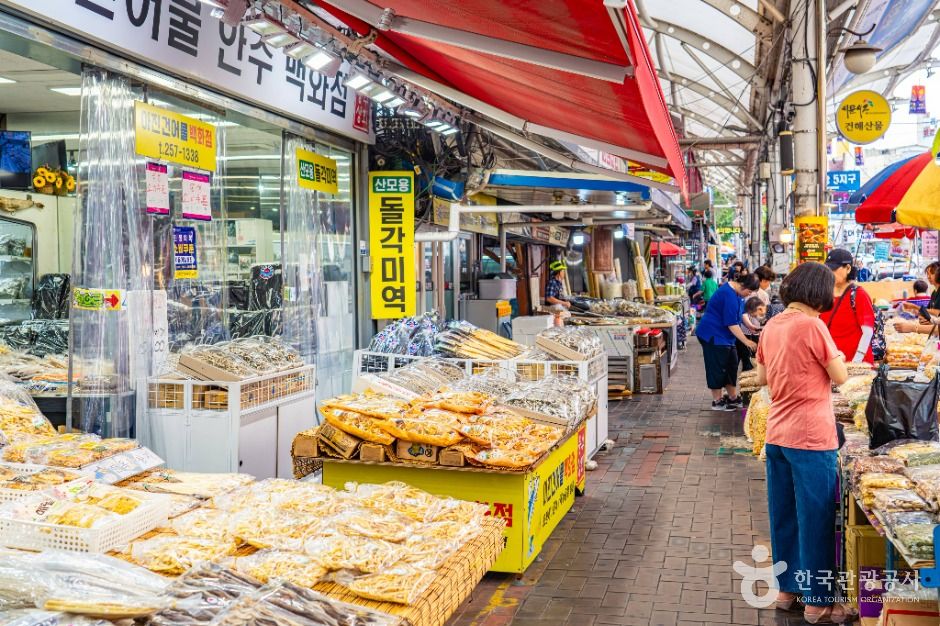 Seomun Market Dried Seafood Section
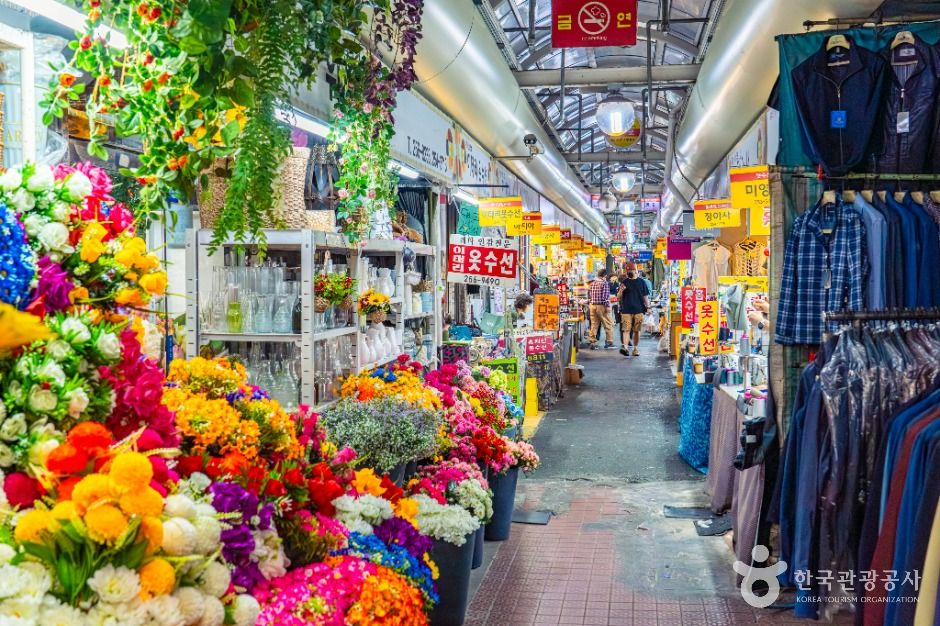 Seomun Market Alteration Section
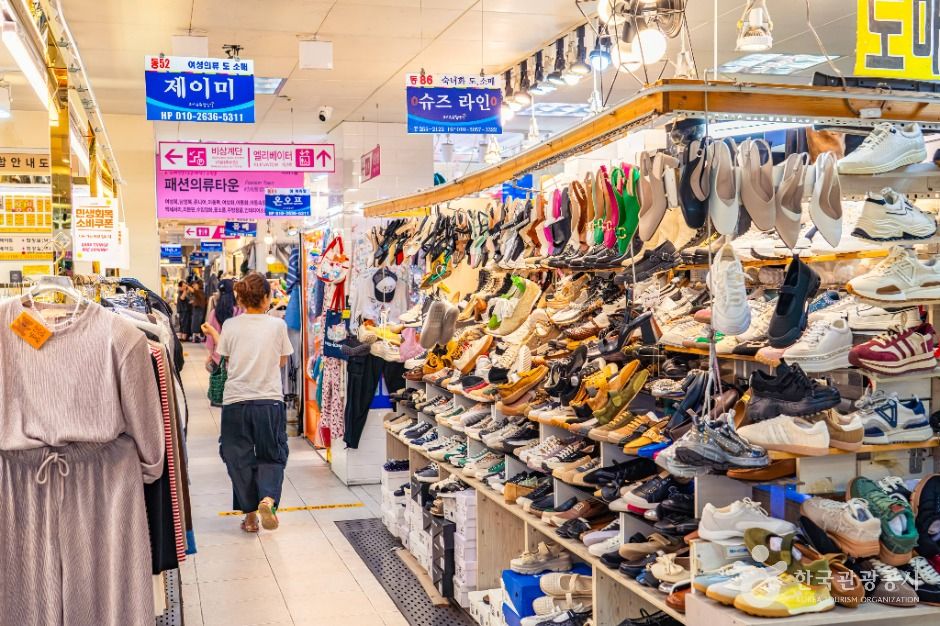 Seomun Market Clothing Section
Seomun Market may be best known for its food, but leaving after a meal would be missing half the experience. As the heart of Daegu’s textile industry, it has stalls selling everything from bolts of fabric to ready-made clothes. Couples preparing for a wedding often stop by for Hanbok textiles or household goods, while campers just starting out will find plenty of kitchenware and outdoor gear to browse. And with price haggling still part of the culture, a friendly smile and chitchat can often get you more than you bargained for.
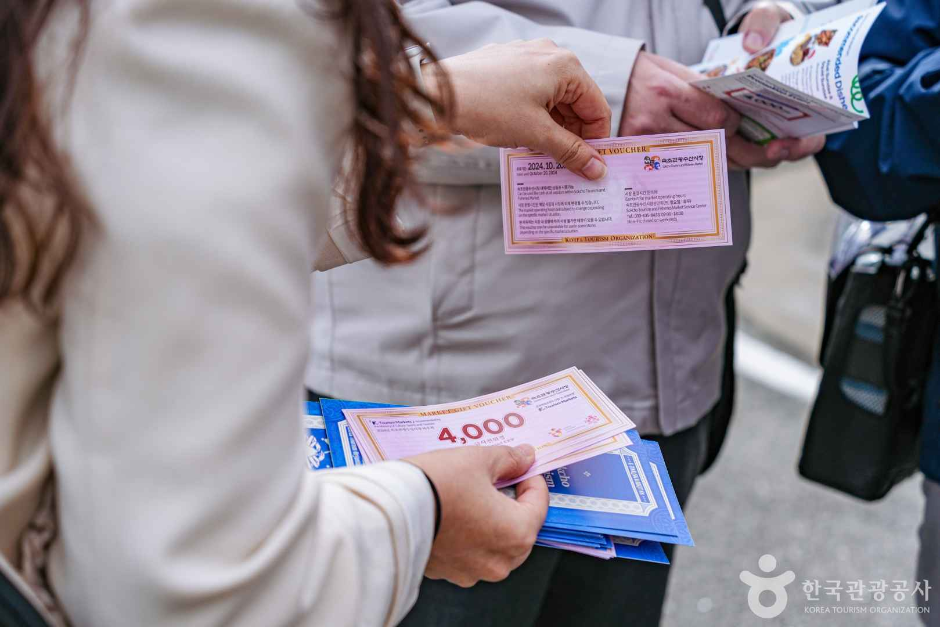 Sample image of traditional market voucher issued by the Korea Tourism Organization
Passengers on the Daegu City Tour Bus program “Daeyaho” receive a KRW 5,000 voucher for traditional markets—an added perk that lets you enjoy both sightseeing and shopping. “Daeyaho” is a special night tour showcasing Daegu’s skyline and evening views. It runs every Friday and Saturday through November with a minimum capacity of 10 participants each time, so advance reservations are recommended via the Daegu City Tour website or by phone (+82-53-627-8900).
Nearby Attractions around Seomun Market
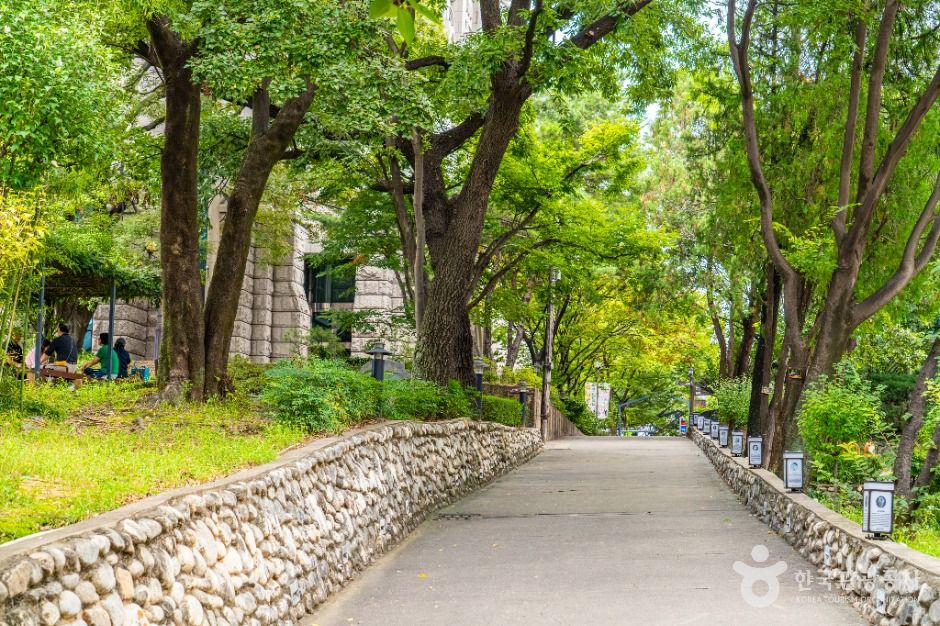 Cheongna Hill
After eating your fill at Seomun Market, step outside for a relaxed stroll around the neighborhood. Just across the main road to the east is Cheongna Hill, a site steeped in Daegu’s modern history. In the late 19th century, Western missionaries settled here, clearing the land and building churches, hospitals, and homes that have shaped the hill into what it is today.
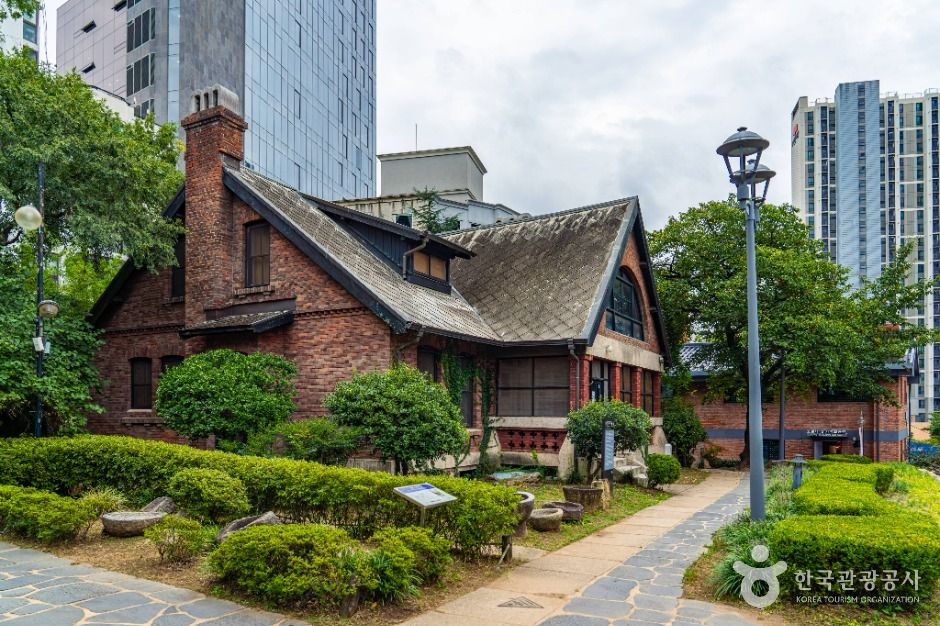 The Switzer House
The former missionary houses now serve as the Missionary Museum, Medical Museum, and Education & History Museum. Their Western-style architecture gives the area a distinctive charm, and many visitors stop by the entrances or nearby spots to take photos.
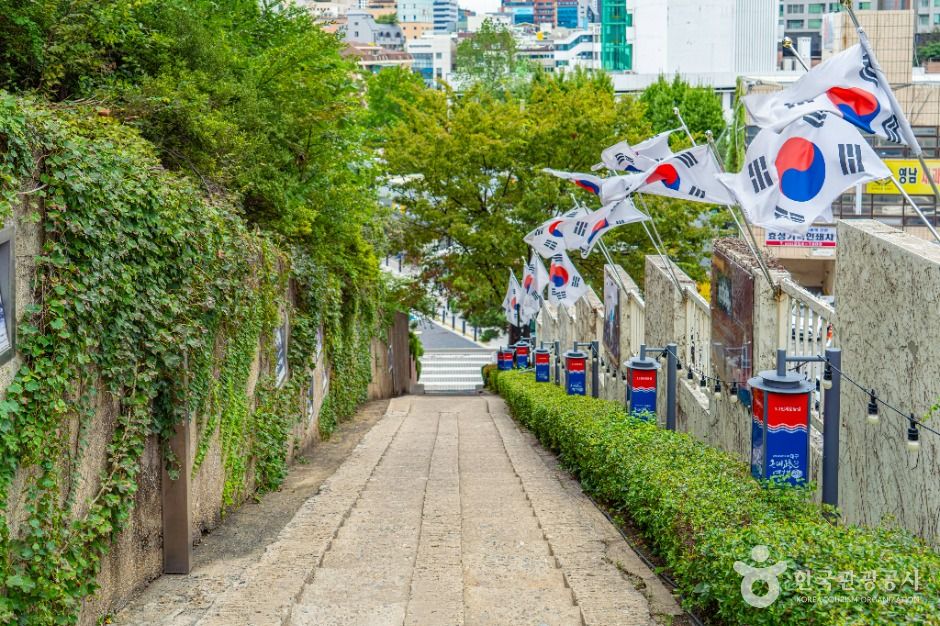 March 1st Independence Movement Road
 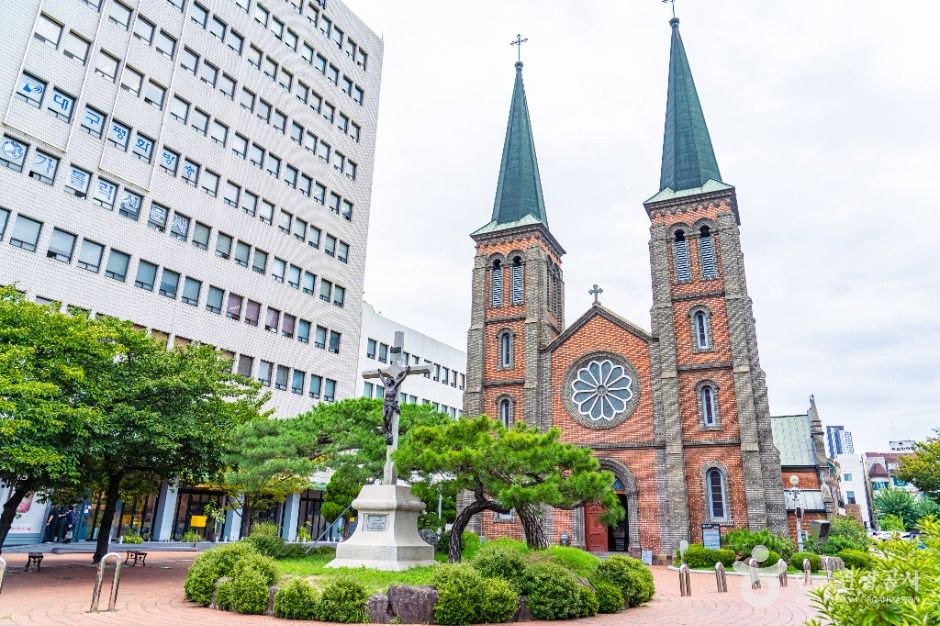 Daegu Gyesan Cathedral
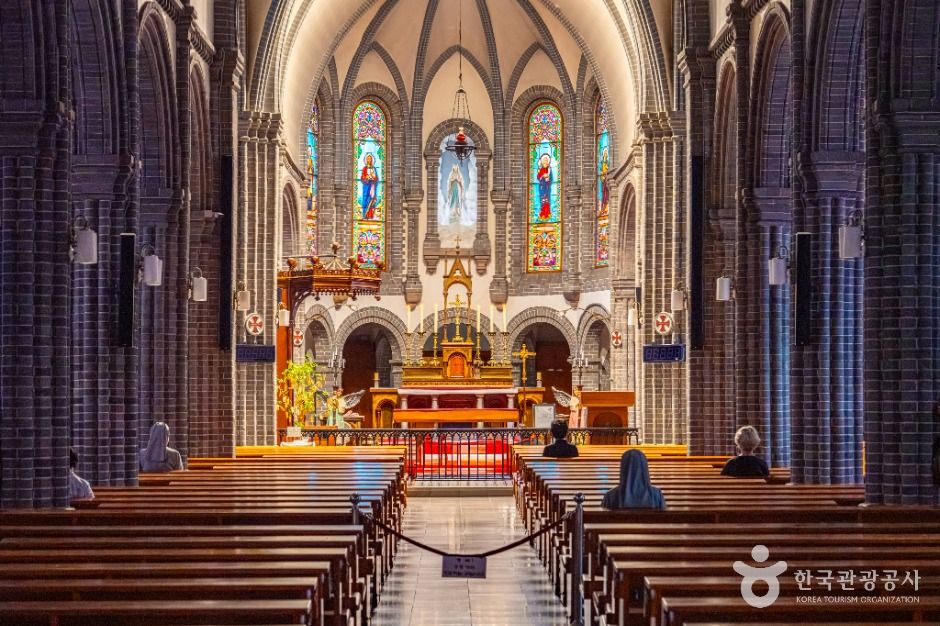 The cathedral interior featured in
 The Netflix drama
includes a wedding scene for the character Geum-myeong, filmed on location in Daegu. The spot is Daegu Gyesan Cathedral, located on the east side of Cheongna Hill along the March 1st Independence Movement Road. The exterior scenes were shot at Gasil Cathedral in Chilgok, but the interior was filmed inside the main sanctuary of Gyesan Cathedral. Built in 1903, it is the first cathedral in the Yeongnam region to incorporate Romanesque and Gothic styles. Mass is still held today, but outside service hours, visitors are free to step inside and take a look around. 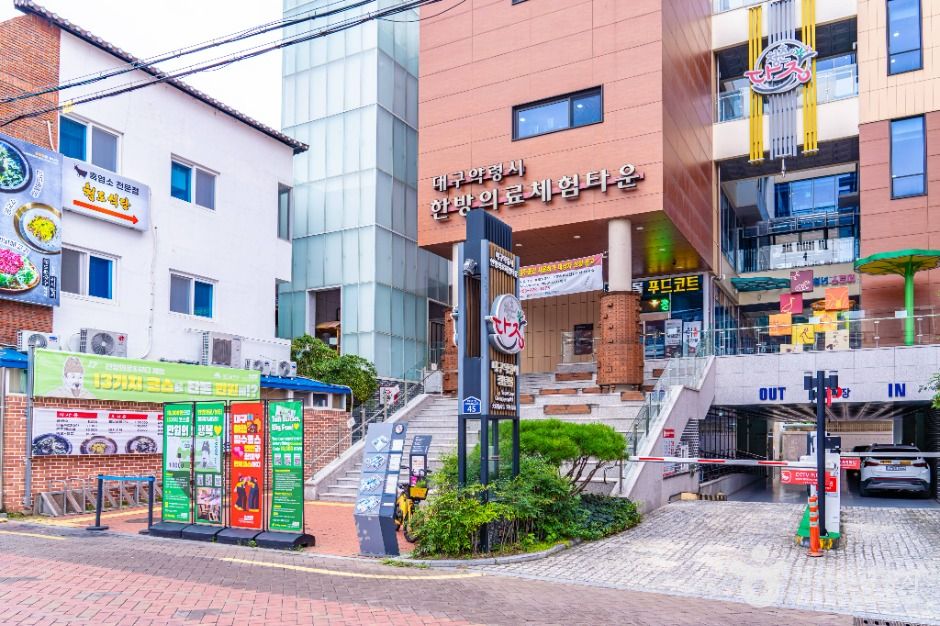 Korean Medicine Experience Town
If you want to wind down after spending a day in Daegu, stop by Yangnyeongsi Market, the nation’s best-known center for herbal medicine. The name might sound a bit generic, but the atmosphere is anything but. At the Korean Medicine Experience Town, you can try interactive programs that make traditional medicine approachable and fun.
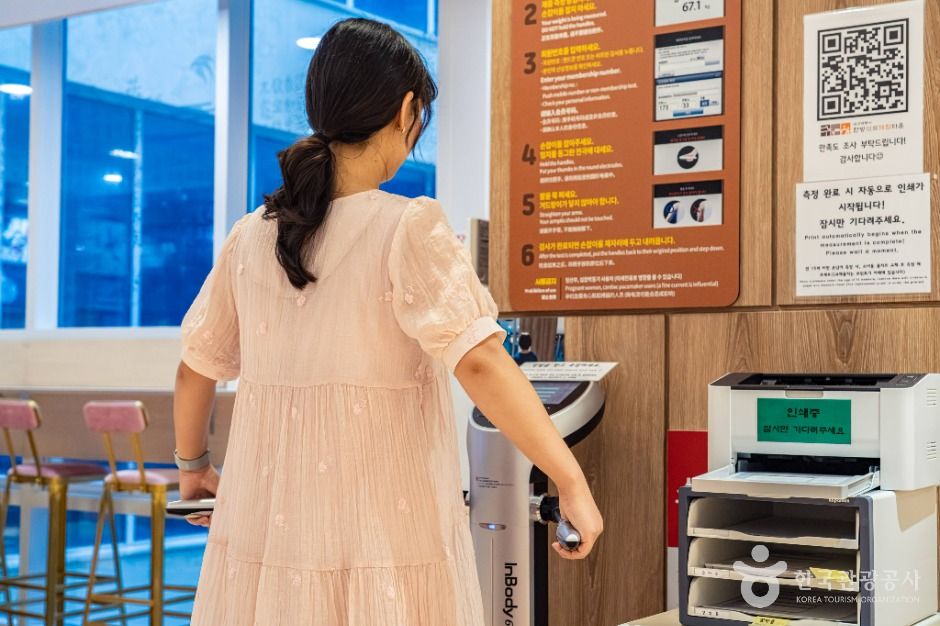 Inbody check before the main program
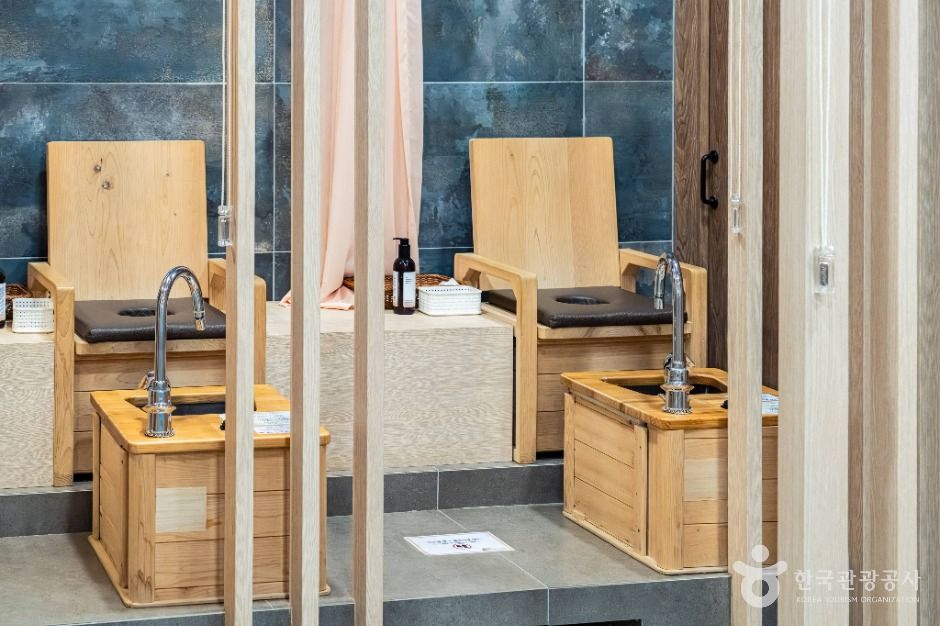 Healing Foot Bath Experiential Zone
The Korean Medicine Experience Town was created to revitalize Daegu’s Yangnyeongsi Market and introduce the benefits of traditional Korean medicine. Here you’ll find a variety of programs, from tests of body composition and skin age to herbal cosmetics and acupressure beds. One highlight is the herbal foot bath—soaking your feet in warm, fragrant water is the perfect way to soothe the day’s fatigue. You can also meet with an on-site doctor of Korean medicine for a quick health consultation.
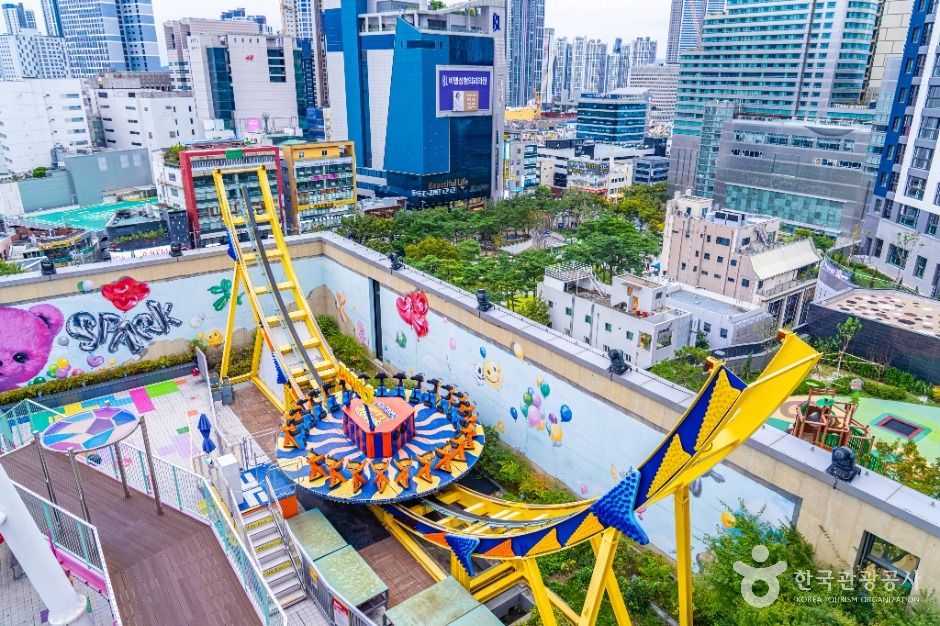 Disk’O at Spark Land
Just a short walk away is Dongseong-ro Street, one of Daegu’s liveliest districts. Bustling with restaurants, cafés, and shops, the area buzzes with urban energy. On the rooftop of an 18-story downtown building, you’ll find Spark Land, a small theme park that delivers plenty of thrills. Though compact, it’s home to rides like Spin Bumper Cars, the Disk’O, Twist Tower, and Mini Viking.
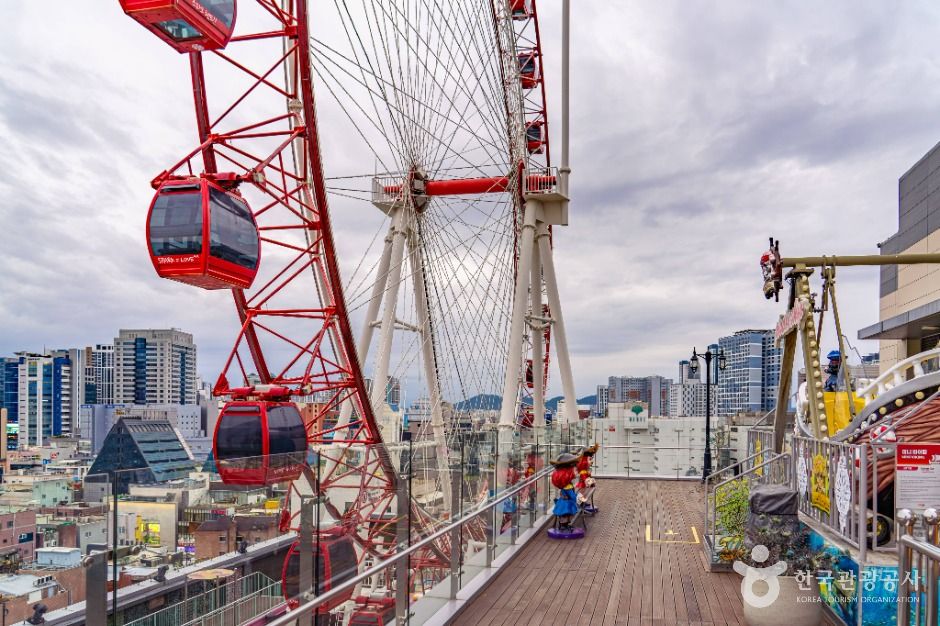 Ferris wheel at Spark Land
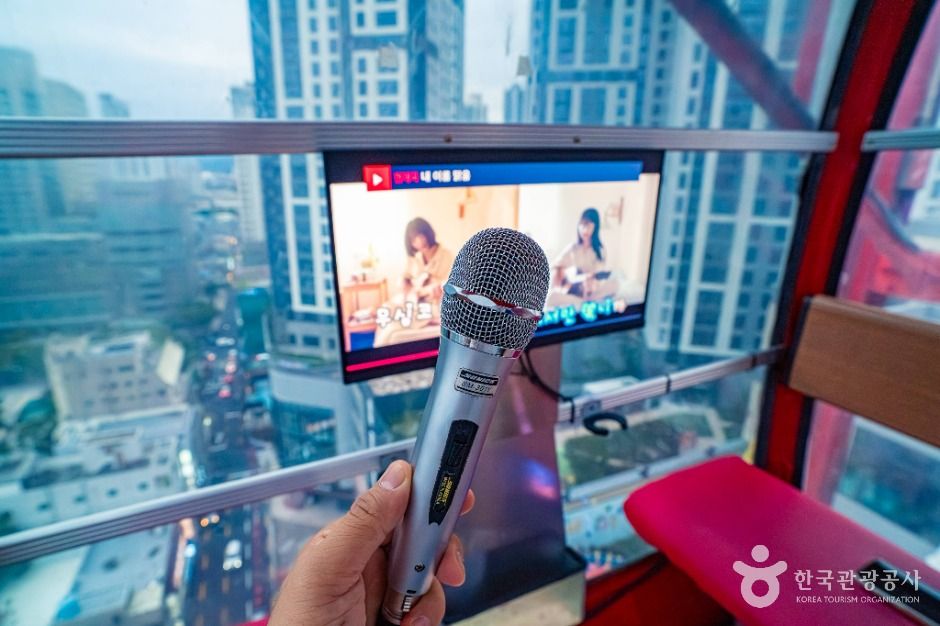 Karaoke machine inside the Ferris wheel cabin
For an aerial view of Daegu, take a ride on the Ferris wheel. It may not be the biggest, but perched atop the building it still feels plenty high. Each cabin even has a karaoke machine inside—start singing on the way up, and you’ll hardly notice the time passing.
Why not spend this weekend in Daegu? Start with flat dumplings and Kaljebi at Seomun Market, then get immersed in history at Cheongna Hill and Gyesan Cathedral. Stop by the Korean Medicine Experience Town to relax, and finish the day with some thrills at Spark Land in Dongseong-ro Street. Transportation by KTX makes a convenient day trip.
Seomun Market
- Location: 50 Dalseong-ro, Jung-gu, Daegu
- Inquiries: +82-53-256-6341
- Opening Hours: 09:00–18:00 (varies by store), Closed: 1st & 3rd Sunday of each month / Night Market Hours: Friday & Saturday: 19:00–23:30, Sunday: 19:00–22:00
Cheongna Hill
- Location: 2029 Dalgubeol-daero, Jung-gu, Daegu
- Tip: Closed temporarily due to renovation of the Missionary House Museum. The exterior is still viewable.
Daegu Gyesan Cathedral
- Location: 10 Seoseong-ro, Jung-gu, Daegu
- Inquiries: +82-53-254-2300
Korean Medicine Experience Town
- Location: 45 Jungang-daero 77-gil, Jung-gu, Daegu
- Inquiries: +82-53-422-1075
- Admission Fees: Korean Medicine Beauty Experience: KRW 5,000, Herbal Foot Bath Experience: KRW 5,000
Spark Land
- Location: 7–9F, 61 Dongseong-ro 6-gil, Jung-gu, Daegu
- Inquiries: +82-53-230-2010
- Opening Hours: 13:00–21:00 (Saturday-Sunday 11:30–22:00), Weekdays: Ferris wheel operates until 22:00
- Admission Fees: Spark Land Free Pass: KRW 27,000, Ferris Wheel: KRW 9,000Text and photos by travel writer Kim Jeong-heum

電話・チャットで韓国観光に関するお問合せ、運営時間:7:00~24:00(韓国標準時)

インターネット無料電話を開く (Wifi接続時無料)

有人ライブチャットを開く(インストール不要)